Simple Tips and Reminders For Cooking Wild Boar.
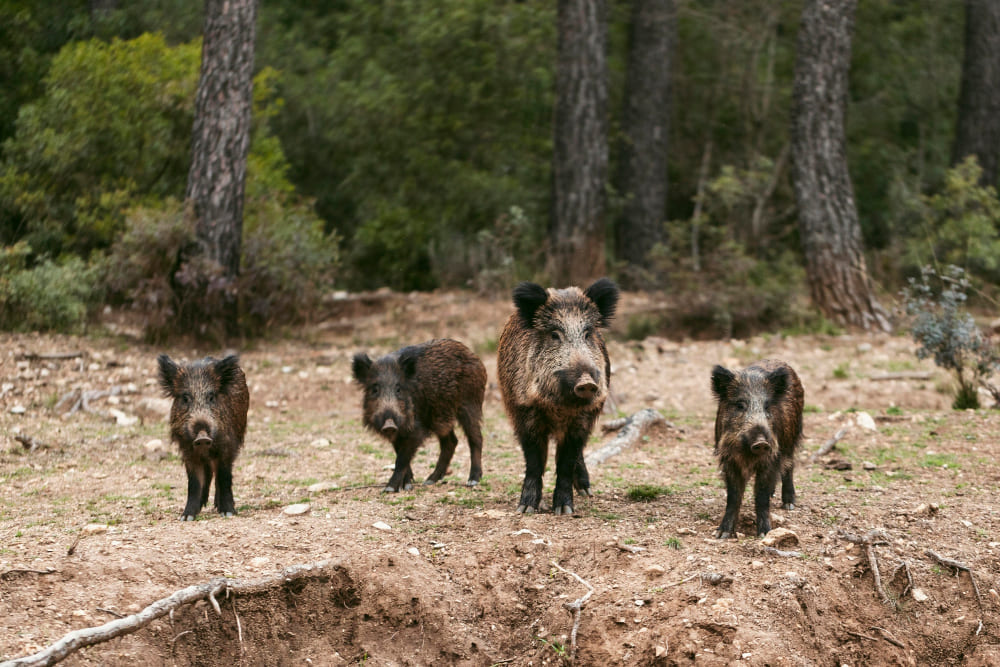
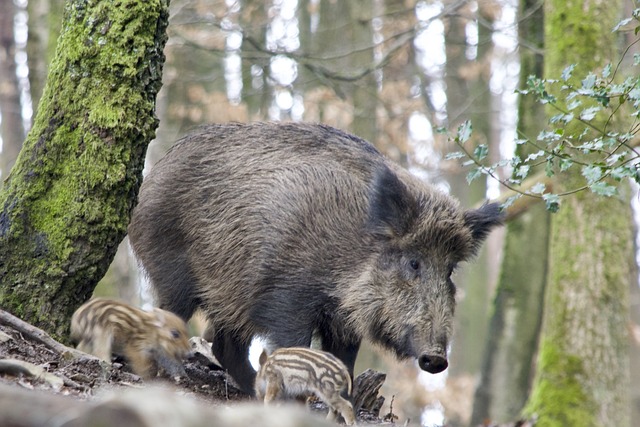
A good thing to know and keep in mind before you start preparing Wild Pork is that the meat contains much less fat than Domestic or Production Pork. The meat will be a bit darker and the grain will be tighter.
This doesn't mean the meat will be tough or taste bad. It just simply means that if not prepared correctly it can be dry compared to store bought pork. This is important to remember when baking, smoking, or grilling whole portions such as legs, ribs and other large portions. Another good point to keep in mind is that Wild Pork has different fat than domestic or Production Pork. Wild Pork will have "Soft Fat" and Production Pork will have "Hard Fat". Soft Fat is not as desirable and should be trimmed away when possible. It is worth noting,, that soft fat is not nearly so unhealthy as hard fat. Bigger boar are often criticised and marked as tough and not fit for table fare, well folks,, that is flat out WRONG!! Lots of HIGH CLASS RESERAUNTS consider Wild Boar as a Fine Table Fare and the bigger older boar is preferred. Most every one is familiar with the commercial slaughter house for Wild Hog in Devine TX. They want hogs over 200 pounds and pay more per pound for those hogs. This meat is being served in resteraunts with more stars than what shines in the sky and one Medallion OF Wild Boar cost more than the guns we used to kill'em with. If the meat is prepared correctly BEFORE COOKING it will be the best pork of all. The first thing to make sure of, is a quick clean kill is made on any game animal. If the animal was chased, gut shot, or died a slow death then then a strong taste could result. There is a solution to this problem though. I use this technique for all the wild game animals I take and I highly and frequently recommend this for all wild game. # - ICE WATER!! Along with 1/2 - 1 cup of vinegar and a medium or large (18 - 20 oz) size container or real lemon juice. # - Soak large portions of meat for 2 0r even 3 days changing the water as needed and keeping the water ICE COLD and all meat covered with the ice water. Soak the meat till it turns white and all blood is leached out. **NOTE, if the meat begins to darken or turn blue then you got too much vinegar! The meat is not spoiled!! Change the ice water and reduce or eliminate the vinegar. First of all read the tips and reminders and apply those to those tips in preparing the meat for best results. # - Gather your favorite seasonings such as lemons, peppers, onions, potatos, and any other seasonings that suit your taste and get that part taken care of. # - Completely wrap the meat so the vapors are locked in as well as possible and the drippings will not escape. # - Slow smoke (or bake) at about 275 - 300 degrees turning or rotating as needed to insure even cooking. The time will vary greatly depending on the size. # - Whole hogs should cook overnight or all day. Quarters will usually cook in 5 - 6 hours. If your wanting to serve the meat in slices you should cook it till you notice that the meat is about ready to fall of the bone and has become very tender. At that point you would unwrap the meat and brown and baste to firm up the meat. If you're wanting the meat extremely tender and juicy then it should remain covered and cooked till it falls off the bone.
Remember I'm not a chef, just an ole east Texas Country Hick.
Most folks like my sausage and this is how it's done. First of all pork and other raw meat has germs, so use your common sense and keep things clean and separated.
While processing your kill you'll want to save certain portions for grinding. Such as smaller pieces of meat that were trimmed or leftover from processing chops and other choice cuts. I usually grind a large portion of the hog when I decide to make sausage.
To make it even quicker you can simply season the chops and drop them in a frying pan with bacon grease.
|
